

Crawling the Web
There are well over a billion active websites as of the writing of this article, and the number of webpages is constantly growing. The first stage of Google Search involves finding existing websites. In fact, Google uses software known as web crawlers, or Googlebot, to constantly look for new webpages as well as updates to existing webpages.
Googlebot uses an algorithm to methodically comb through the data and follow links throughout the website. Googlebot then downloads all of the new information. This data will be gathered for the next step: Indexing.
Indexing the Information
Once Googlebot, or the web crawler, has investigated and found new information, it stores this data in Google’s massive database. The next step is to make sense of the new information. This is also called indexing the information.
Indexing includes processing and analyzing the data. It factors in elements such as textual context, keywords, sentence structures, images, videos, links, and more. During this process, Google also determines whether the content violates policies. For instance, it can determine whether the page is a duplicate or whether the content is harmful or goes against local laws.
It should be noted, however, that not every webpage is indexed or even crawled. Some webpages only allow authorized users and others have poor quality, missing elements, and design flaws that prevent proper crawling and indexing.


Delivering Search Results
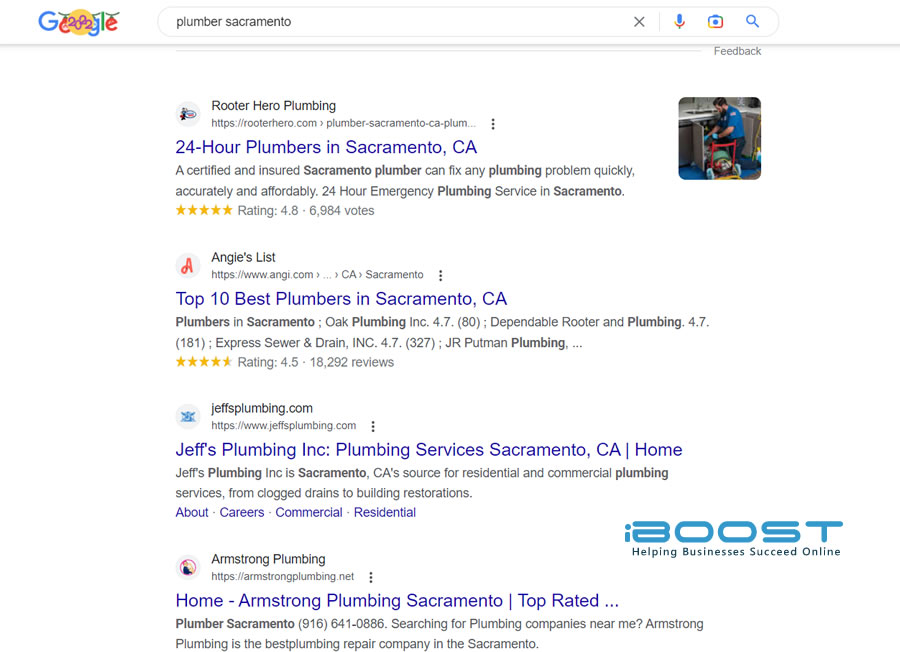
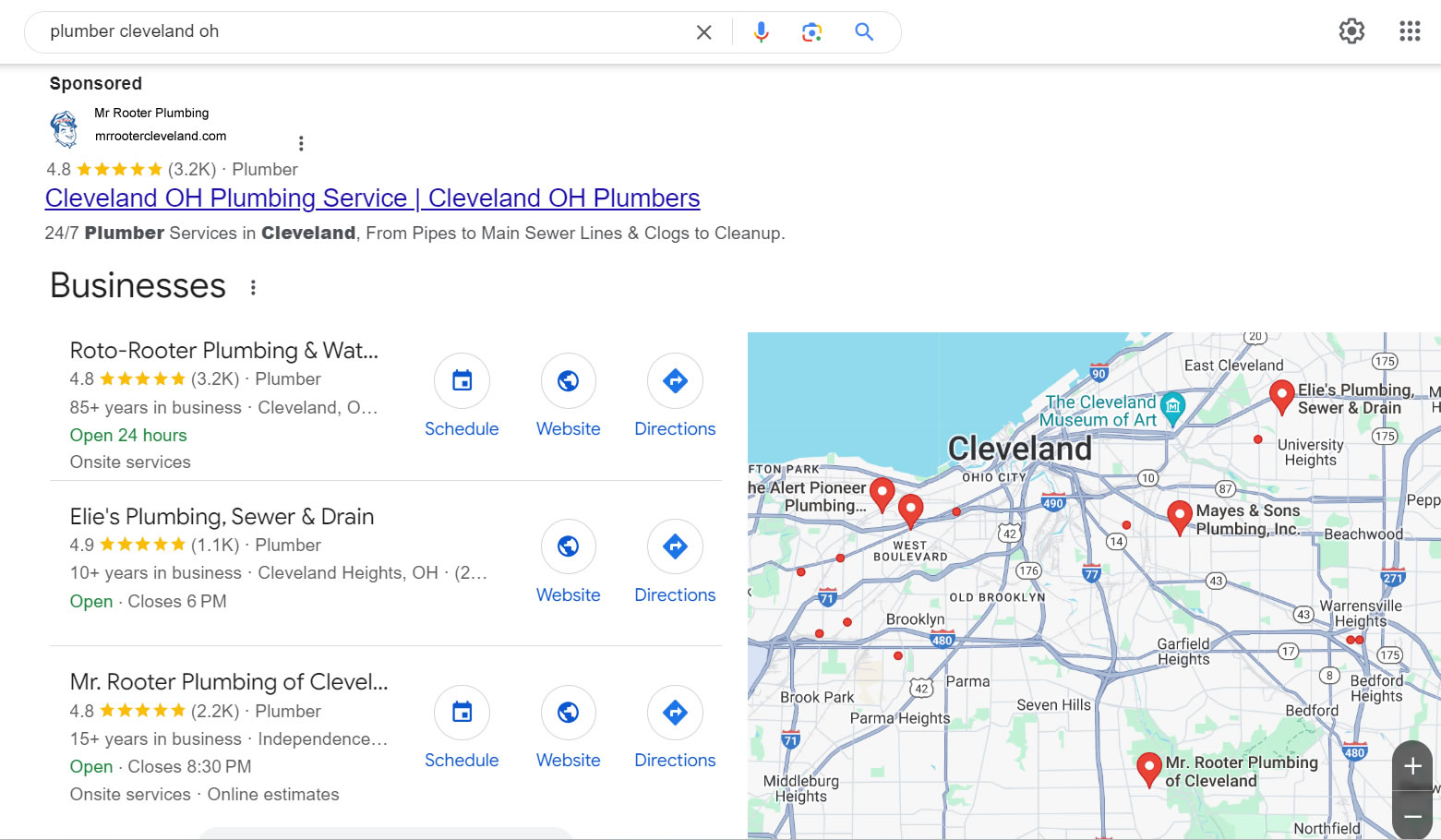
With as much information indexed from as many available webpages as possible, Google can now offer search results. When a user searches for a word or phrase on Google Search, the machines search the database and returns relevant results. Relevancy is determined by hundreds of factors, including the user’s location, language, device, and so forth. For instance, searching for “Plumbing repair” can show results from all over the world while a search for “Plumbing repair near me” will likely show results from sources located near you.
Optimizing Your Website
Understanding how Google Search works is the first step toward bringing your website to the front page of results, but there is a lot of technical work that goes into it. Optimizing your website for search engines involves designing the website so that it is easily accessible and legible by the Googlebot. It also involves abiding by Google’s policies and offering quality, authoritative content.
If you are interested in boosting your website’s search engine ranking, then consider hiring iBoost Web. Our SEO, web design, and web hosting services have helped hundreds of businesses reach a wider audience and grow their business and brand. Our friendly representatives are happy to schedule a consultation today.




AI vs Human Content: What Does Google Prefer?
e conversation around AI-generated content has taken over the marketing world, and most businesses are somewhere in the ...
Read More
SEO in 2026: What Still Works and What Doesn’t
you've been following the same SEO playbook from a few years ago, there's a good chance your strategy is alread...
Read More
Importance of Optimizing Your Website & SEO Strategy for AI
e way people search for information online is changing faster than most business owners realize, and artificial intellig...
Read More